The Smile That Would Not Show Up In Photos
Emma was nine, bright, curious, and rarely quiet, but every school photo told a different story. While her friends smiled wide, Emma pressed her lips together. At home, she laughed freely. In front of a camera, she hid.

Her mom noticed it most during picture day. “You don’t like your smile?” she asked gently. Emma shrugged. “My teeth look weird,” she said, eyes down. It was not pain, not discomfort, just self awareness creeping in earlier than anyone expected.
This is how many orthodontic journeys begin. Not with a dental emergency, but with a moment when a child realizes their smile does not match how they feel inside. And for parents, that realization often leads to the same question. How do you straighten teeth, and when is the right time to start?
Why Teeth Do Not Always Grow Straight
Teeth are a lot like people. They follow patterns, but no two sets behave exactly the same. Some crowd in early. Others drift. Some arrive late and push everything else out of place.
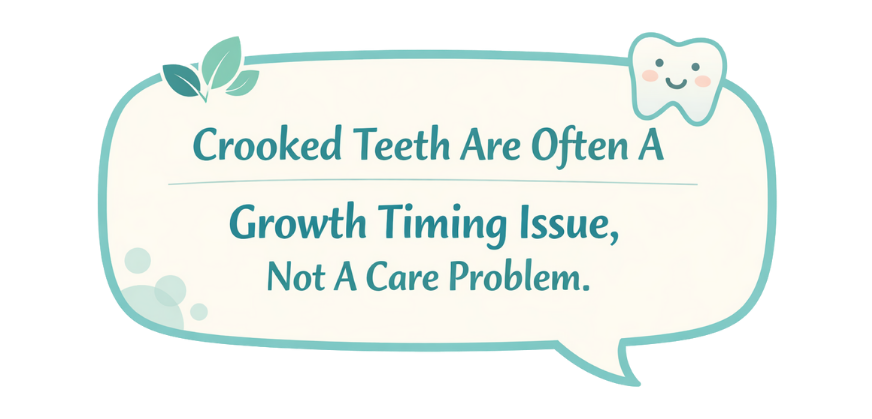
For Emma, it was a mix of things. Her baby teeth were small. Her adult teeth were not. Her jaw was still growing, but not evenly. None of this was anyone’s fault. Straight teeth are not about effort or hygiene alone, they are about timing, space, and development.
Parents often worry they missed something. They did not. Orthodontic issues usually develop quietly, long before they are obvious. That is why early evaluations matter. At Elegant Family & Pediatric Dentistry, these conversations happen every day, especially during routine pediatric dental checkups.
Understanding why teeth become crooked helps take the fear out of what comes next.
The First Orthodontic Conversation
Emma’s mom expected the orthodontic visit to feel heavy. Instead, it felt surprisingly calm. No pressure. No rush. Just observation.
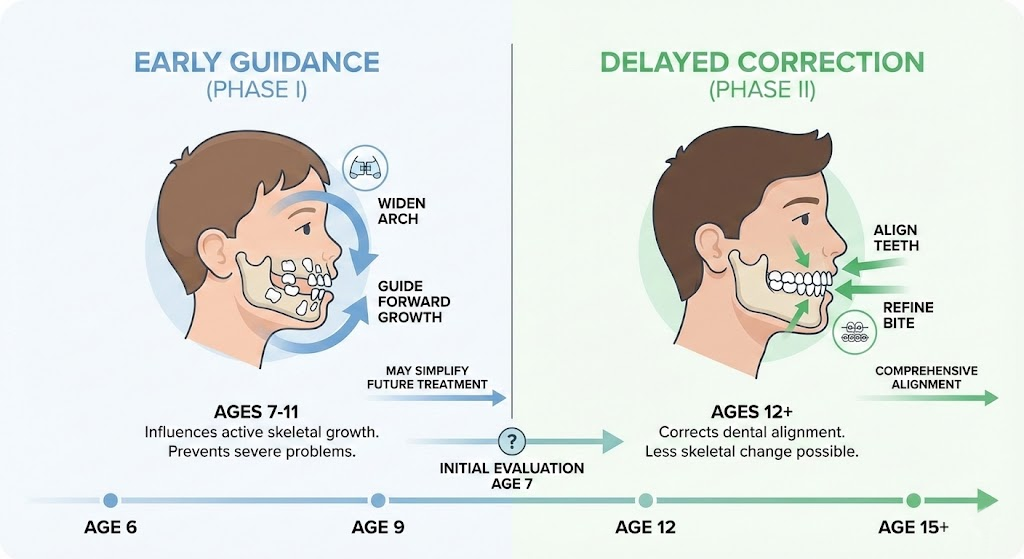
Dr. Javidi explained it like this. Straightening teeth is less like flipping a switch and more like guiding a path. If you notice early, you can guide gently. If you wait, the path becomes steeper.
They talked about space. Growth. What Emma’s jaw was likely to do in the next few years. Nothing needed to happen immediately, but something needed to be watched. That alone brought relief.
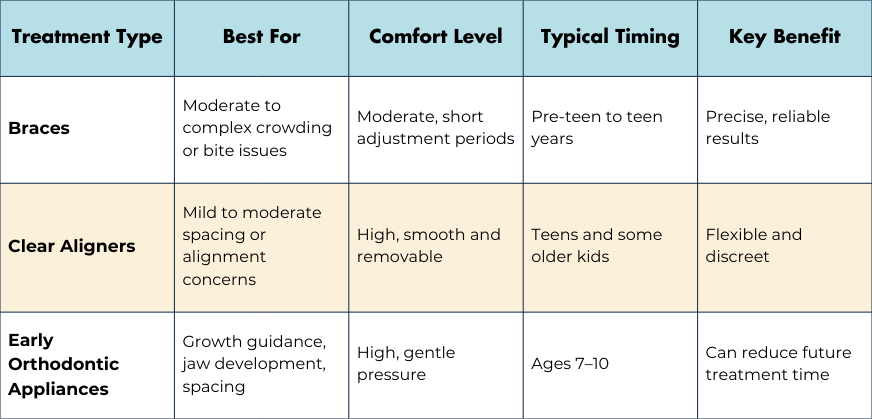
Many families are surprised to learn that orthodontic care often starts with monitoring, not braces. This is especially true for children between seven and ten. Early orthodontic guidance can sometimes reduce how long treatment takes later, or even simplify it altogether.
Ways Teeth Can Be Straightened Today
By the time Emma was ready to begin treatment, the options felt clearer. Still, her family had questions. Braces? Aligners? Something else?
Here is the honest truth. There is no single best way to straighten teeth, only the best way for a specific child at a specific time.
Some children benefit from traditional braces. Others do well with clear aligners. Some need early appliances that guide jaw growth before teeth are even addressed. Each option has tradeoffs, comfort considerations, and lifestyle impacts.
The goal is not perfection. The goal is function, confidence, and long term oral health. At Elegant Family Dentistry, orthodontic planning is often coordinated with preventive care like professional dental cleanings, because straight teeth are easier to keep healthy.