Sarah's story didn’t begin in a dental chair.
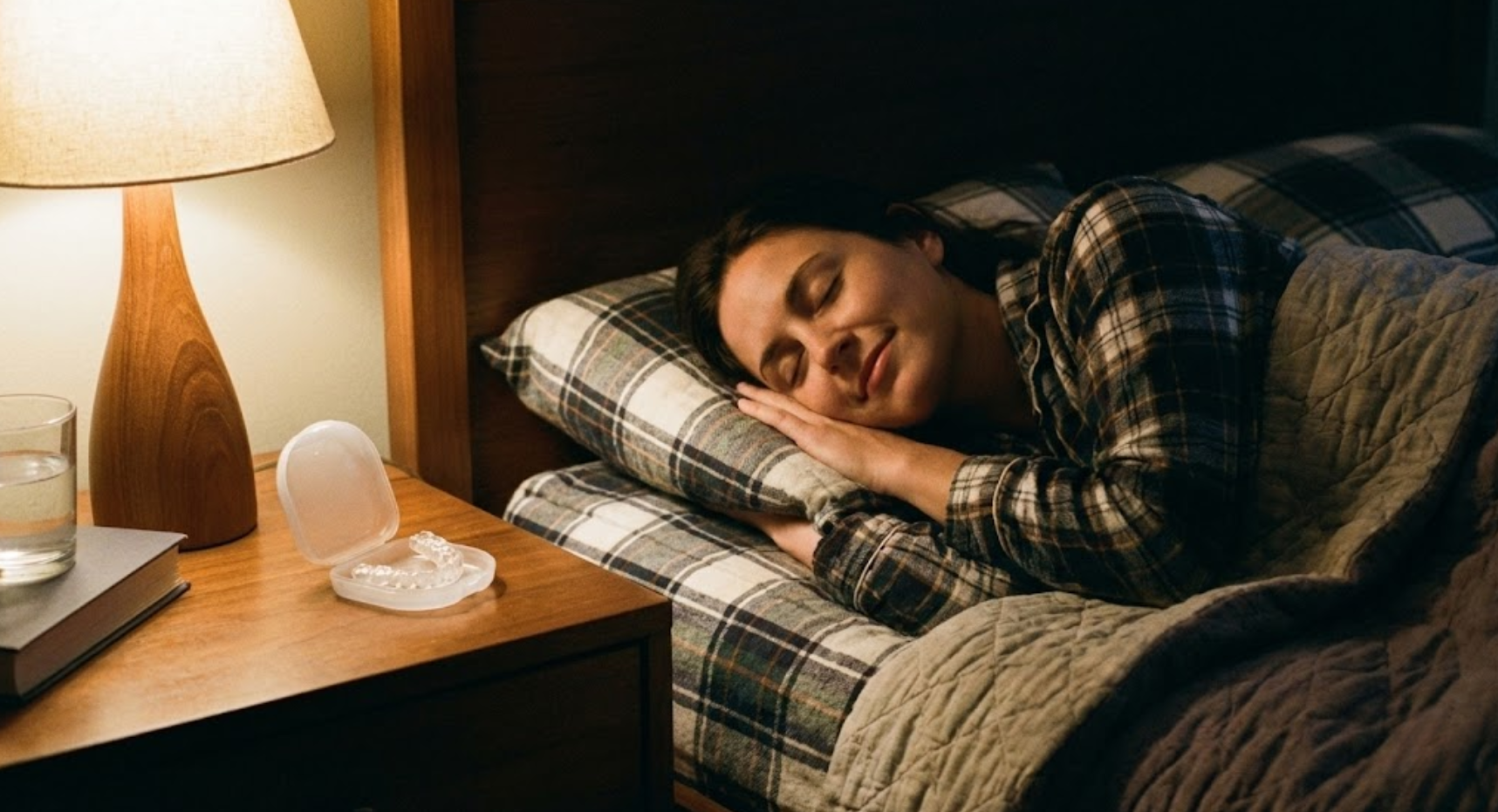
It started on a cold December night, when her daughter’s giggle was drowned out by her own thunderous snoring.
“I thought it was kind of funny at first,” Sarah admitted, recalling how her 8-year-old had joked about needing earplugs to sleep during their holiday visit to Grandma’s. But it wasn’t just the snoring. Sarah had been waking up with headaches, felt groggy all day, and couldn’t seem to shake the brain fog. Her husband noticed she sometimes stopped breathing briefly in her sleep.
“It’s just the holiday stress,” she told herself. Or maybe it was the wine, the travel, the to-do list a mile long. But when her sister, a nurse, pulled her aside and gently asked, “Have you ever had your airway checked?”—Sarah paused.
That moment changed everything.

Snoring Isn’t Always Harmless, And It’s Not Just a “Dad” Problem
Sarah’s story isn’t rare—and it isn’t just about the sound.
Snoring can be a sign of obstructive sleep apnea (OSA) or a compromised airway. And while OSA is often associated with older men, women and children are frequently underdiagnosed because their symptoms look different: fatigue, anxiety, poor focus, or clenching and grinding teeth at night.
During the holidays, signs of a struggling airway are easier to overlook or excuse:
“I’m just tired from all the shopping.”
“The wine probably made me snore.”
"It’s just a winter cold.”
But at Elegant Family & Pediatric Dentistry, our team looks at these clues differently. Because your mouth, jaw, and airway are all connected, your dentist might be the first to detect a problem you didn’t know existed.
When Sarah Mentioned It At Her Cleaning, Her Hygienist Leaned In
Sarah almost didn’t mention the snoring. But something about the calm, unhurried atmosphere at Elegant Family & Pediatric Dentistry made her feel comfortable.
“I know this sounds weird,” she said with a nervous laugh, “but I’ve been snoring like a freight train.”
Her hygienist didn’t laugh it off. Instead, she asked a few gentle, specific questions—like whether Sarah ever woke up gasping or had dry mouth in the morning. Then she asked something Sarah didn’t expect:
“Would you like us to do a quick airway screening today?”
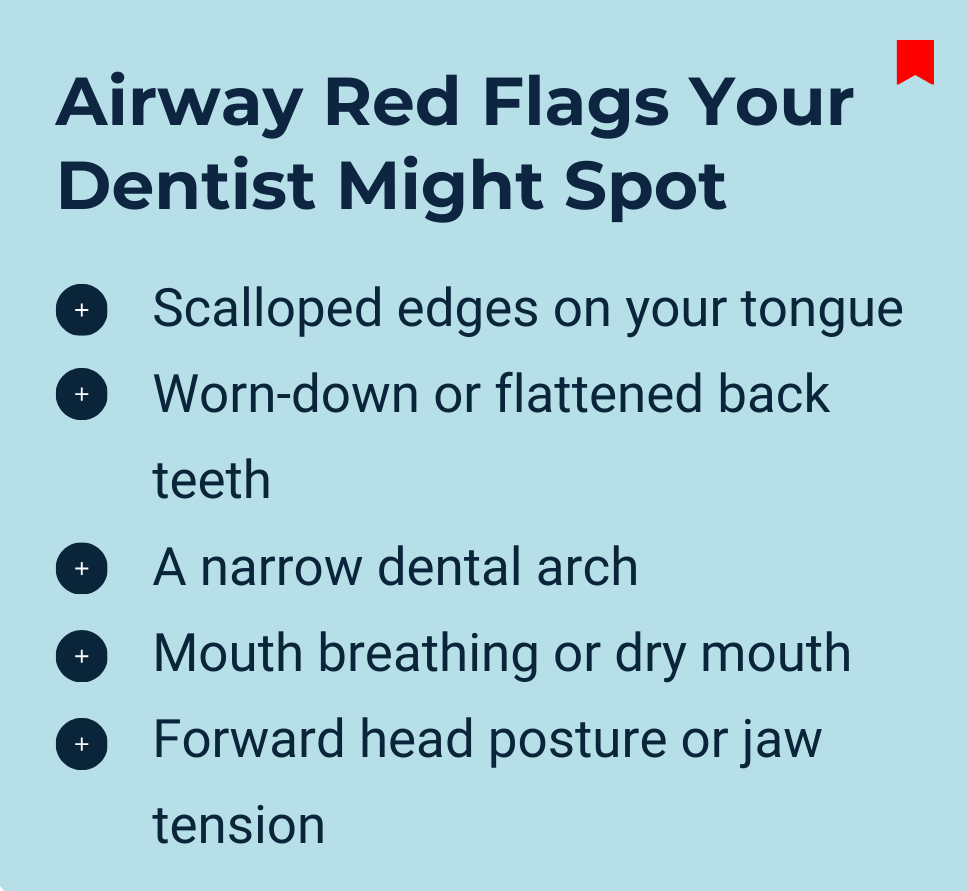
That moment of curiosity led to a deeper conversation about airway-focused dentistry—and why dentists are uniquely trained to spot signs of airway obstruction based on tongue position, jaw structure, and even the wear patterns on your teeth.
The Clock Was Ticking, and Not Just to Christmas
As Sarah sat in the chair that December afternoon, Dr. Parsafar gently explained that while nothing was urgent, her symptoms did suggest a possible airway issue.
“We can refer you for a sleep study or work alongside your physician,” she said, “but we can also look at how your oral anatomy is contributing—and what we can do about it.”
Sarah’s heart sank a bit. This sounded serious. Would it be expensive? Would she need a CPAP?
But then came the good news: her insurance still had coverage left for the year, and some of the diagnostic work—including 3D imaging and impressions—would be covered if she acted quickly.
Like many patients, Sarah hadn’t realized that dental insurance benefits reset at the end of the year. And unused benefits? Gone forever.