Back to Blogs

Airway Dentistry Benefits for Your Child

Airway dentistry for children addresses breathing issues from mouth and throat to foster proper growth and significantly improve overall health.

July 9, 2026
2 min read
Paige gently adjusts her young child's pillow, watching him sleep in a bedroom reading nook.
Back to Blogs

Airway Dentistry Benefits for Your Child

Paige gently adjusts her young child's pillow, watching him sleep in a bedroom reading nook.

Airway dentistry for children addresses breathing issues from mouth and throat to foster proper growth and significantly improve overall health.

July 9, 2026
2 min read

Understanding Airway Dentistry for Children

Airway dentistry for children focuses on identifying and treating breathing issues that originate in the mouth and throat, which can profoundly impact a child’s development and overall health. Addressing these concerns early helps foster proper growth, improve sleep, and prevent more severe health problems later.

This specialized field recognizes that issues like mouth breathing, snoring, or restless sleep are often indicators of underlying airway obstructions. By assessing the unique oral and craniofacial structures of pediatric patients, dental professionals can intervene with targeted treatments. Dr. Babak Javidi at Elegant Family & Pediatric Dentistry in San Diego emphasizes that early detection is key to leveraging the airway focused dentistry advantages for optimal child development.

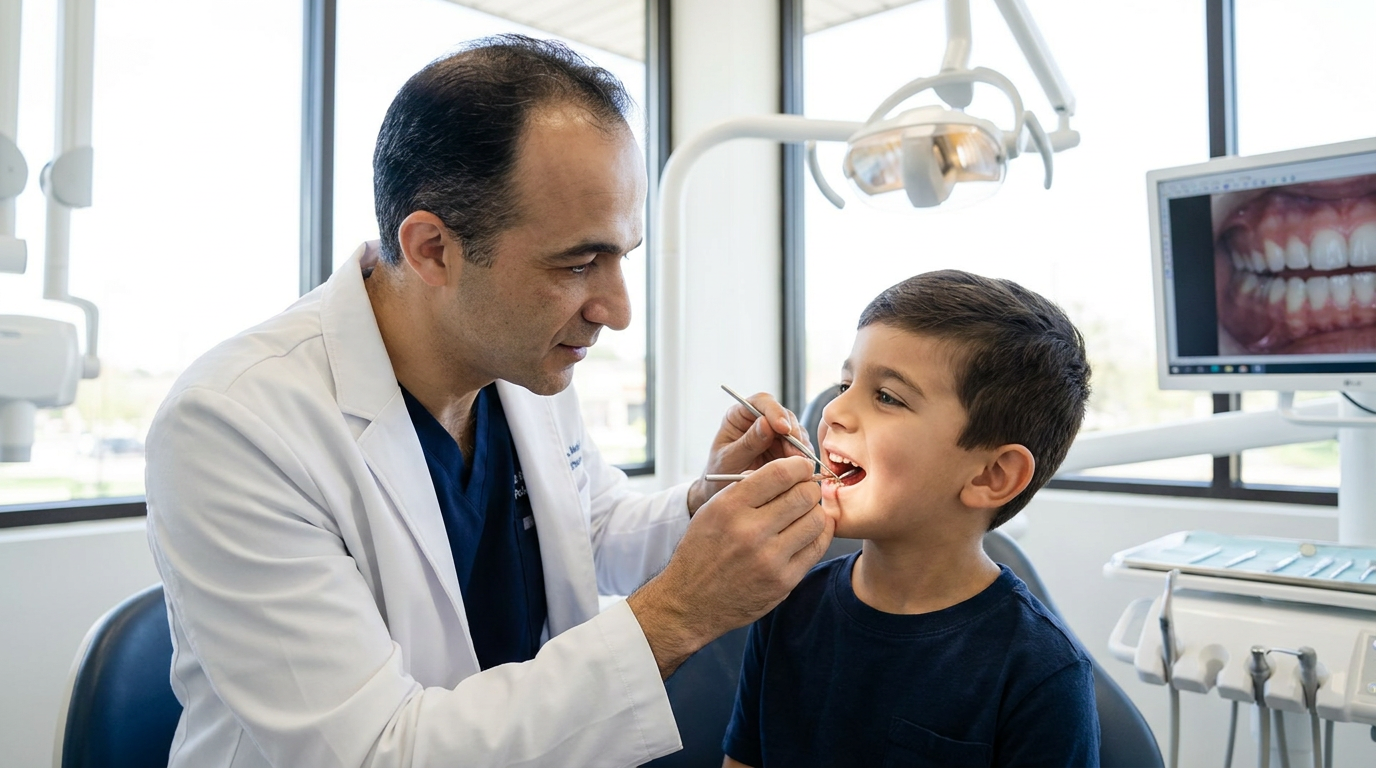
A caring male dentist, Dr. Babak Javidi, wearing a blue scrub top and white lab coat, gently examines a young boy's open mouth in a bright, modern dental office, focusing on his oral structures.

How Does Airway Dentistry Improve Sleep Quality?

Airway dentistry significantly improves a child's sleep quality by addressing obstructions that lead to poor breathing during the night. By ensuring clear and open airways, children experience deeper, more restorative sleep, which is crucial for their physical and cognitive development.

When a child’s airway is compromised, sleep can be restless and filled with interruptions. This often manifests as snoring, gasping, or frequent waking. Elegant Family & Pediatric Dentistry provides solutions tailored to these challenges.

Common indicators of poor sleep due to airway issues include:

  • Persistent snoring: Consistent, loud breathing sounds during sleep.
  • Restless sleep: Frequent tossing, turning, or changing positions throughout the night.
  • Daytime fatigue: Waking up tired, despite appearing to get enough hours of sleep.
  • Morning headaches: Headaches upon waking, which can indicate oxygen deprivation during sleep.
  • Difficulty concentrating: Problems focusing at school or during activities due to lack of quality sleep.

Improving sleep through airway management is one of the most critical airway dentistry benefits, impacting everything from mood to academic performance.

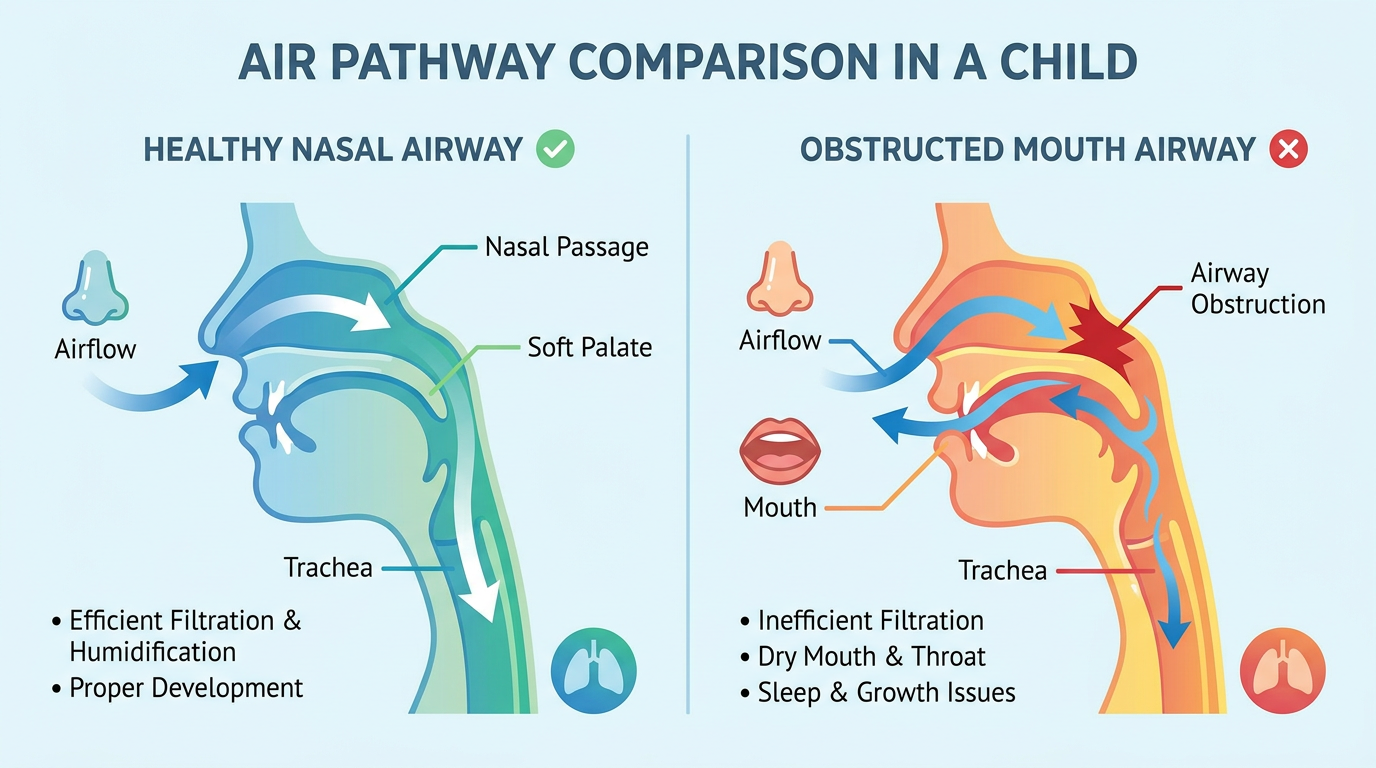
An infographic illustrates the path of air through a healthy nasal airway versus an obstructed mouth airway in a child, featuring clear, color-coded diagrams and simple arrows indicating airflow.

What Are the Facial Development Benefits of Airway Dentistry?

Airway dentistry promotes proper facial and jaw development by encouraging nasal breathing and correct tongue posture from an early age. This guidance helps the jaw grow forward and outward, creating sufficient space for teeth and preventing common orthodontic issues.

When children breathe through their mouths, their tongue often rests in a lower position, failing to exert the necessary pressure on the upper palate. This can lead to a narrow palate, crowded teeth, and a recessed jawline. Recognizing the value of pediatric airway treatment benefits, Dr. Javidi focuses on early intervention.

Key elements contributing to healthy facial development include:

  • Nasal Breathing: Encourages the correct airflow and helps shape the nasal passages and upper jaw.
  • Proper Tongue Posture: The tongue resting on the roof of the mouth guides the growth of the maxilla (upper jaw).
  • Aligned Jaw Growth: Symmetrical and forward growth of both the upper and lower jaws.
  • Reduced Need for Extensive Orthodontics: Early intervention can minimize the severity of malocclusions, potentially reducing the duration or complexity of future orthodontic treatments like Clear Aligner Therapy or traditional braces.
  • Balanced Facial Aesthetics: Supports the development of a well-proportioned and attractive facial structure.
A young boy, around 8 years old, sleeps peacefully in his bed, natural light filtering through sheer curtains.

Can Airway Dentistry Reduce Adhd-Like Symptoms?

Yes, airway dentistry can significantly reduce symptoms often mistaken for ADHD in children by addressing underlying sleep deprivation and oxygen desaturation. Improved breathing translates to better sleep, which in turn enhances concentration, behavior, and emotional regulation.

Children with undiagnosed airway issues often exhibit behaviors such as difficulty focusing, hyperactivity, irritability, and defiant attitudes. These symptoms closely mimic those of Attention-Deficit/Hyperactivity Disorder. However, when a child consistently experiences disturbed sleep due to conditions like sleep apnea, their brain doesn't get the restorative rest it needs. Dr. Babak Javidi helps parents understand that addressing the root cause can lead to remarkable improvements in a child’s daily functioning and reduce the need for certain medications, highlighting a crucial why airway dentistry matters consideration.

An artistic rendering of a child's profile, showing the internal bone structure of the skull and jaw, with an emphasis on how proper jaw growth (indicated by subtle green arrows) contributes to a well-developed facial aesthetic.

Schedule an Airway Assessment for Your Child

If you're concerned about your child's breathing, sleep, or development, contact Elegant Family & Pediatric Dentistry in San Diego today. Dr. Babak Javidi and his team are ready to provide a thorough assessment and discuss how airway-focused dentistry can benefit your family. Visit our website or call us to learn more.

Preventing Mouth Breathing and Its Consequences

Airway dentistry actively works to eliminate mouth breathing, which is detrimental to a child's health and development. By promoting nasal breathing, it prevents issues like dry mouth, increased cavity risk, altered facial growth, and poor speech development.

Mouth breathing in children is a common indicator of an underlying airway problem. It not only affects facial development and sleep but also has immediate consequences for oral health. Dr. Javidi often identifies specific conditions, such as a restricted frenum needing a frenectomy, that contribute to mouth breathing.

Consequences of chronic mouth breathing include:

  • Increased Cavity Risk: Saliva helps neutralize acids and wash away food particles. Mouth breathing dries out the mouth, reducing this protective effect, leading to a higher incidence of dental crowns and fillings.
  • Gum Inflammation: Dry gums are more susceptible to irritation and inflammation, increasing the risk of gingivitis.
  • Halitosis (Bad Breath): Reduced saliva flow allows bacteria to thrive, causing persistent bad breath.
  • Speech Impediments: Mouth breathing can affect the development of oral muscles necessary for clear speech.
  • Poor Posture: To open the airway, children may adopt a forward head posture, leading to neck and back issues.
A concerned mother sits with her son at a kitchen table, looking at papers as he subtly yawns, suggesting difficulty concentrating.

Long-Term Orthodontic Advantages

Airway dentistry provides long-term orthodontic advantages by guiding jaw development to create optimal space for all permanent teeth. This proactive approach can reduce the severity of crowding, crossbites, and other malocclusions, potentially simplifying or shortening future orthodontic dentistry for adults.

Traditional orthodontics often focuses on straightening teeth once misalignments have occurred. However, airway-focused treatment aims to address the foundational causes of these issues. By ensuring proper jaw and palate development from a young age, Dr. Babak Javidi helps facilitate the natural eruption of teeth into their correct positions. This preventative strategy can make a significant difference, often reducing the need for tooth extractions or extensive corrective procedures. San Diego families seeking early intervention find that investing in airway solutions offers substantial benefits of airway orthodontics down the line.

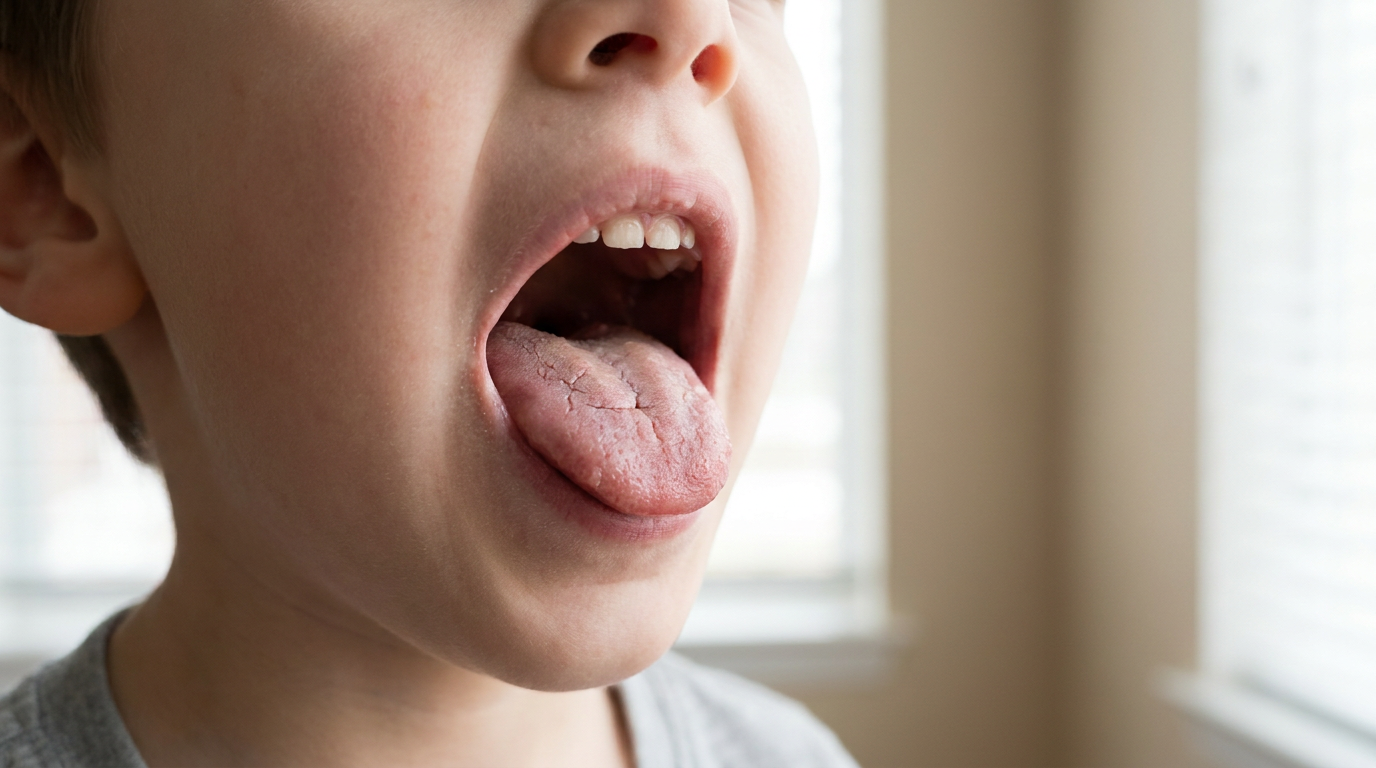
A clear close-up of a child's open mouth with a visibly dry tongue and gums, illustrating the effects of chronic mouth breathing.

What Happens During an Airway Assessment?

During an airway assessment at Elegant Family & Pediatric Dentistry, Dr. Javidi thoroughly evaluates a child's oral and facial structures, breathing patterns, and medical history. This comprehensive examination identifies potential airway obstructions and informs a personalized treatment plan.

The goal of an assessment is to uncover any anatomical or functional issues contributing to poor breathing or sleep patterns. The process is gentle and designed to be comfortable for children.

Key components of an airway assessment include:

  • Detailed Health History: A discussion of the child's sleep habits, breathing patterns, developmental milestones, and overall health.
  • Oral Examination: Inspection of the tonsils, adenoids, tongue tie, and palate structure.
  • Craniofacial Evaluation: Assessment of jaw position, facial symmetry, and nasal patency.
  • Diagnostic Imaging: May include X-rays or other imaging to visualize the airway space and bone structure.
  • Breathing Observation: Observing how the child breathes at rest and during speech.

Based on these findings, Dr. Javidi will recommend solutions that could range from space maintainers to myofunctional therapy, ensuring a holistic approach to airway dentistry for children benefits.

An adolescent with subtle orthodontic aligners, smiling confidently at their reflection in a small vanity mirror.

What This Means for Your Child

For many San Diego parents, understanding the profound impact of a healthy airway on their child's development represents a significant shift in perspective. It moves beyond simply treating symptoms and instead focuses on building a strong foundation for lifelong health. At Elegant Family & Pediatric Dentistry, Dr. Babak Javidi and his team are dedicated to uncovering and resolving these critical issues. He believes that every child deserves the chance to breathe, sleep, and grow to their fullest potential.

From improved academic performance due to better sleep to fostering optimal facial aesthetics and reducing future orthodontic needs, the comprehensive airway dentistry benefits are truly transformative. If you've observed persistent snoring, restless sleep, mouth breathing, or even unexplained behavioral issues in your child, an airway assessment can provide clarity and a path forward. Our approach is gentle, child-friendly, and always focused on your child's long-term well-being. Investing in your child's airway health is investing in their future.

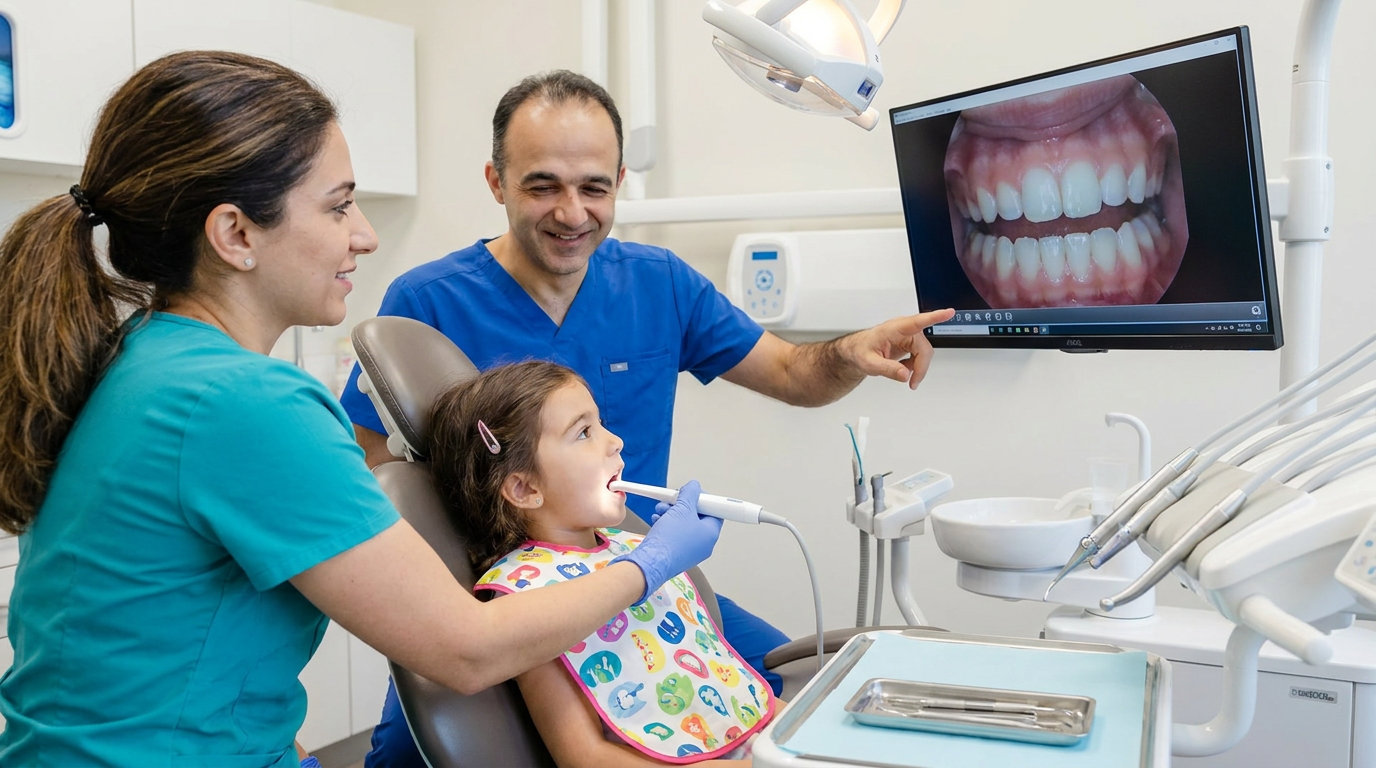
A female dental hygienist, wearing a teal scrub top, demonstrates an intraoral camera to a curious young girl in a dental chair.

Frequently Asked Questions

1. What is airway dentistry for children?
Airway dentistry for children focuses on diagnosing and treating breathing and sleep-related issues that stem from oral and facial development, promoting overall health.

2. How can I tell if my child has an airway issue?
Look for signs like chronic mouth breathing, snoring, restless sleep, daytime fatigue, difficulty concentrating, or frequent ear infections.

3. Is airway dentistry painful for children?
No, Dr. Babak Javidi uses gentle techniques, and many interventions are non-invasive, focusing on guiding natural development.

4. What specifically causes airway problems in children?
Common causes include enlarged tonsils/adenoids, tongue ties, narrow palates, and improper jaw growth.

5. Does airway dentistry replace traditional orthodontics?
Not entirely, but it often reduces the complexity and duration of traditional orthodontic treatment by addressing root causes early.

6. What are some treatments used in pediatric airway dentistry?
Treatments vary but may include myofunctional therapy, palate expansion, frenectomy, or referrals for tonsil/adenoid removal.

7. How does a narrow palate affect a child's airway?
A narrow palate restricts nasal breathing space and can push the tongue back, blocking the airway during sleep.

8. Can airway issues affect my child's behavior?
Yes, poor sleep due to airway problems can lead to symptoms resembling ADHD, such as hyperactivity and difficulty focusing.

9. How long does airway treatment usually take?
Treatment duration varies depending on the specific issue and the child's age, often spanning several months to a few years.

10. At what age should I consider an airway assessment for my child?
It's beneficial to have a child assessed as early as two to three years old to intervene during critical developmental stages.

RELATED BLOG POSTS

Stay Informed With Expert Insights & Tips About Dental Care

July 9, 2026

Rebuilding Your Smile With Adult Restorative Dentistry

Restorative dentistry corrects damaged or missing teeth, improving oral health, function, and aesthetics for a confident smile.

READ MORE
July 9, 2026

Hunter's Quest for a Pediatric Airway Dentist

Discover how an airway-focused pediatric dentist can transform a child’s health, addressing breathing issues for better sleep and development.

READ MORE
June 2, 2026

Airway Dentist San Diego: What We Treat

Discover how an airway dentist in San Diego can treat chronic fatigue, snoring, and improve your overall well-being.

READ MORE
DISCOVER LIFELONG DENTAL ELEGANCE
Book Appointment