1. What is the primary difference between a pediatric airway dentist and a general pediatric dentist?
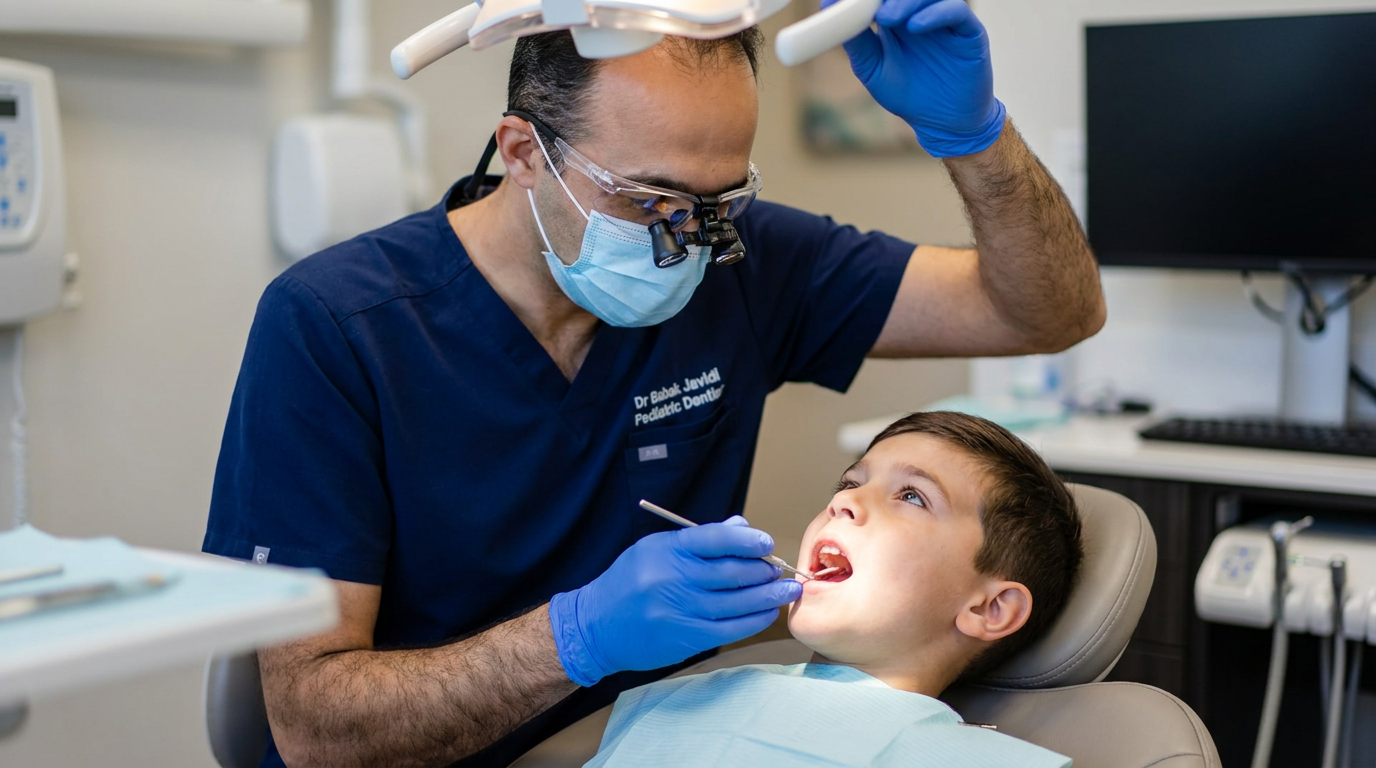
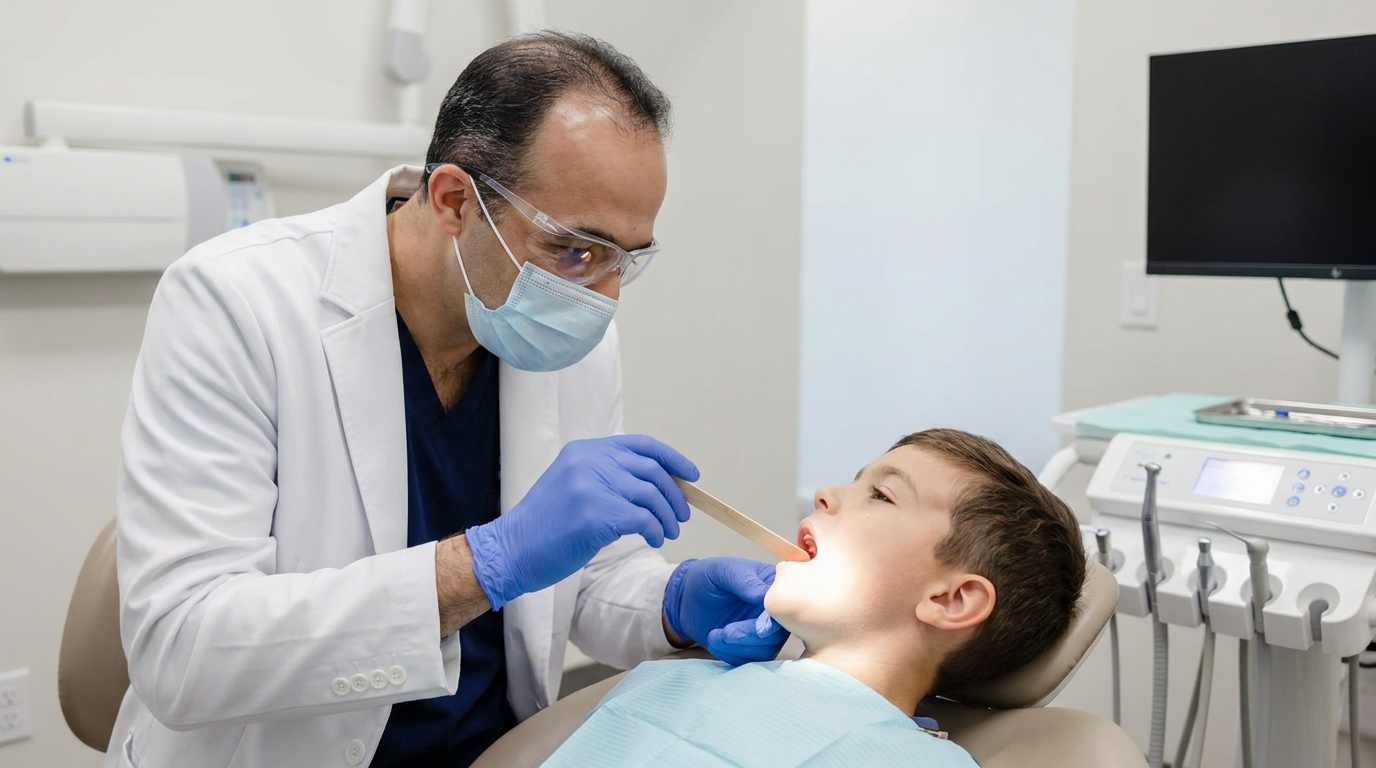
A pediatric airway dentist has specialized training in diagnosing and treating conditions that affect a child's breathing and facial development, particularly related to sleep. While general dentists focus on oral health, an airway dentist assesses the entire upper airway and its impact on a child's overall growth.
2. Why is my child's mouth breathing a concern?
Chronic mouth breathing can be a significant concern because it often indicates an underlying airway obstruction and can negatively impact facial and dental development. Dr. Javidi explains it can lead to a narrow palate, crowded teeth, and even contribute to sleep-disordered breathing.
3. At what age should I consider an airway evaluation for my child?
An airway evaluation can be beneficial at any age if concerns arise, but early intervention, ideally during toddler or preschool years, often yields the best outcomes. Dr. Javidi can assess your child's unique needs and recommend the most appropriate timing for an evaluation.
4. Can airway problems affect my child's behavior or school performance?
Yes, unaddressed airway issues, especially those causing sleep disturbances, can significantly impact a child's behavior, concentration, and academic performance. Dr. Javidi notes that chronic fatigue can manifest as hyperactivity or difficulty focusing in school.
5. What types of treatments does a pediatric airway dentist offer?
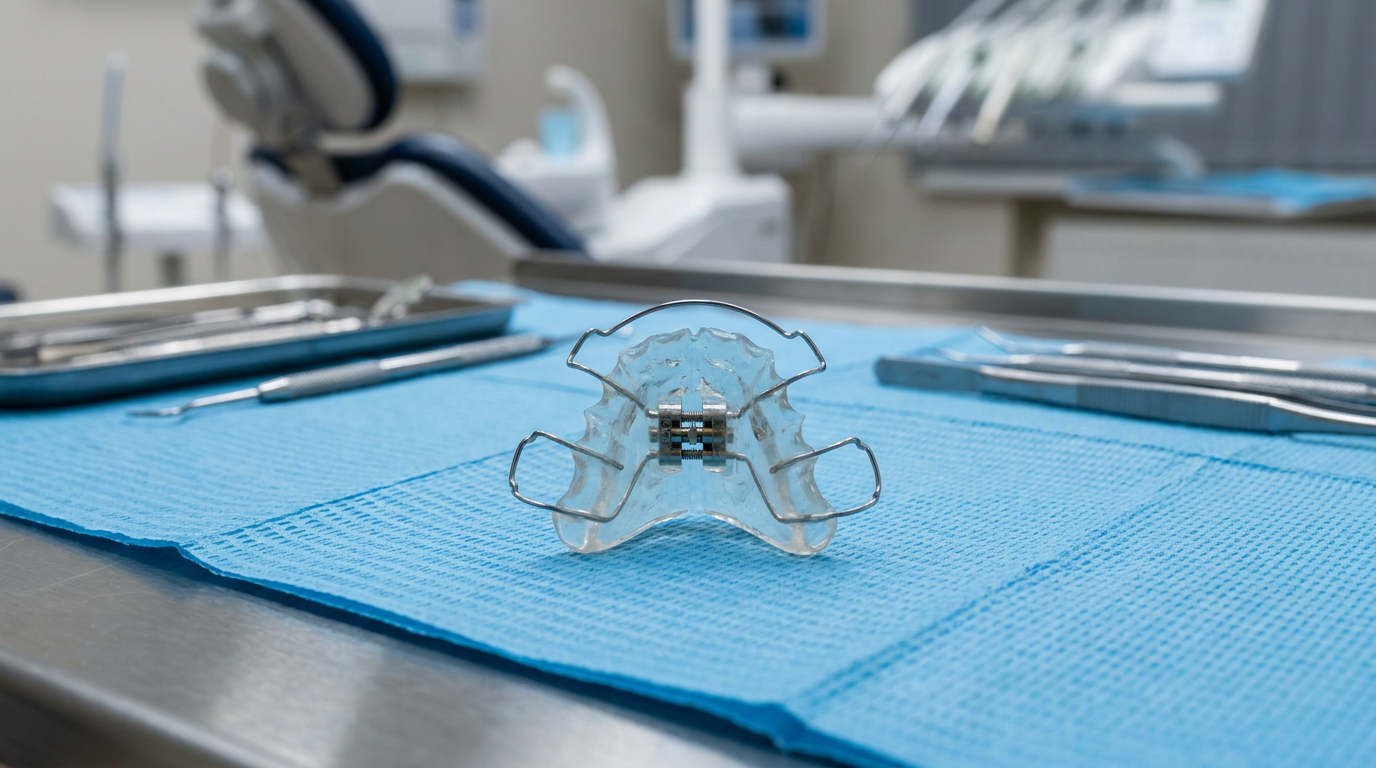
A pediatric airway dentist offers a range of treatments, often including specialized orthodontic appliances to promote jaw development, myofunctional therapy to improve tongue posture and breathing habits, and sometimes collaboration with ENTs for issues like enlarged tonsils or adenoids.
6. How long does pediatric airway treatment typically last?
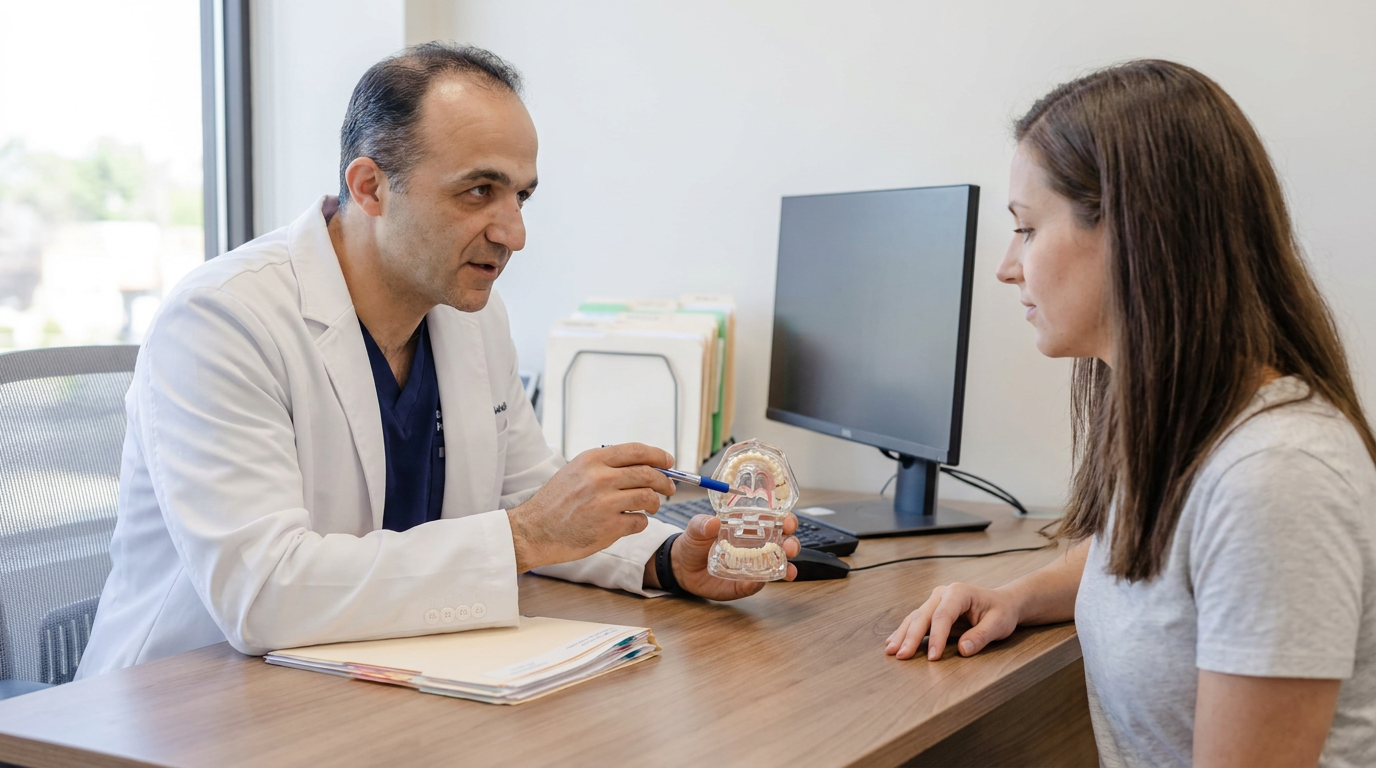
The duration of pediatric airway treatment varies significantly depending on the child's age, the severity of the condition, and the specific interventions needed. Dr. Javidi designs personalized treatment plans, and he will discuss estimated timelines during the consultation process.